
Publication: Forestry in South Africa
Author: Mr Sibalo Dlamini, Acting Group CEO – SAFCOL
Image: Mr Sibalo Dlamini, Acting Group CEO – SAFCOL
Reflecting on SAFCOL’s Milestone: Achieving B-BBEE Level One and Driving Transformation as the Core of Our Growth and Social Impact Strategy
At SAFCOL, transformation is a core principle that drives our purpose, our partnerships and our progress. With a dual mandate of commercial viability and socio-economic upliftment, we view transformation as a strategic imperative that fuels inclusive growth and long-term sustainability.
As a state-owned company operating within South Africa’s Forestry Sector, SAFCOL’s transformation journey reflects our commitment to aligning commercial performance with the national development agenda. Achieving Level 1 B-BBEE status demonstrates how a public entity can lead by example, showing that transformation and profitability are mutually reinforcing and not competing priorities.
Our achievement of B-BBEE Level 1 is the result of years of deliberate action, strong partnerships and commitment to creating shared value for the communities in the areas where we operate. This recognition reinforces our competitiveness as a business and our leadership in advancing inclusive economic growth.
SAFCOL has consistently strengthened its performance across key B-BBEE elements consisting of Management Control, Skills Development, Enterprise & Supplier Development and Socio-Economic Development. For us, transformation is a strategic driver of innovation, operational excellence and long-term resilience. It enhances our supply chains, develops talent and ensures sustainability in our forestry assets. This is indeed a journey that has been defined by a clear direction, accountability and purpose.
Our Journey to Level 1 B-BBEE:
SAFCOL’s transformation journey reflects consistent progress over the past five years.
- In 2020/2021, we achieved a total of 87.74 points, earning a Level 4 B-BBEE status.
- This improved significantly in 2021/2022 and 2022/2023, where we scored 90.67 and 92.92 points, respectively, maintaining Level 2 B-BBEE status.
- In 2023/2024, despite a slight dip to 90.59 points, we sustained Level 2 B-BBEE status.
- By 2024/2025, we reached a remarkable 96.01 points, securing Level 1 B-BBEE status.
Breaking Down the Elements:
- Management Control ranged from 16.07 points in 2020/2021 to 17.28 points in 2024/2025.
- Skills Development fluctuated between 20.01 points and 19.73 points, peaking at 21.52 points in 2022/2023.
- Enterprise and Supplier Development showed steady growth, moving from 46.66 points to the maximum 54 points in 2024/2025.
- Socio-Economic Development remained consistent at 5 points throughout the period. Reflecting on SAFCOL’s Milestone: Achieving B-BBEE Level One and Driving Transformation as the Core of Our Growth and Social Impact Strategy
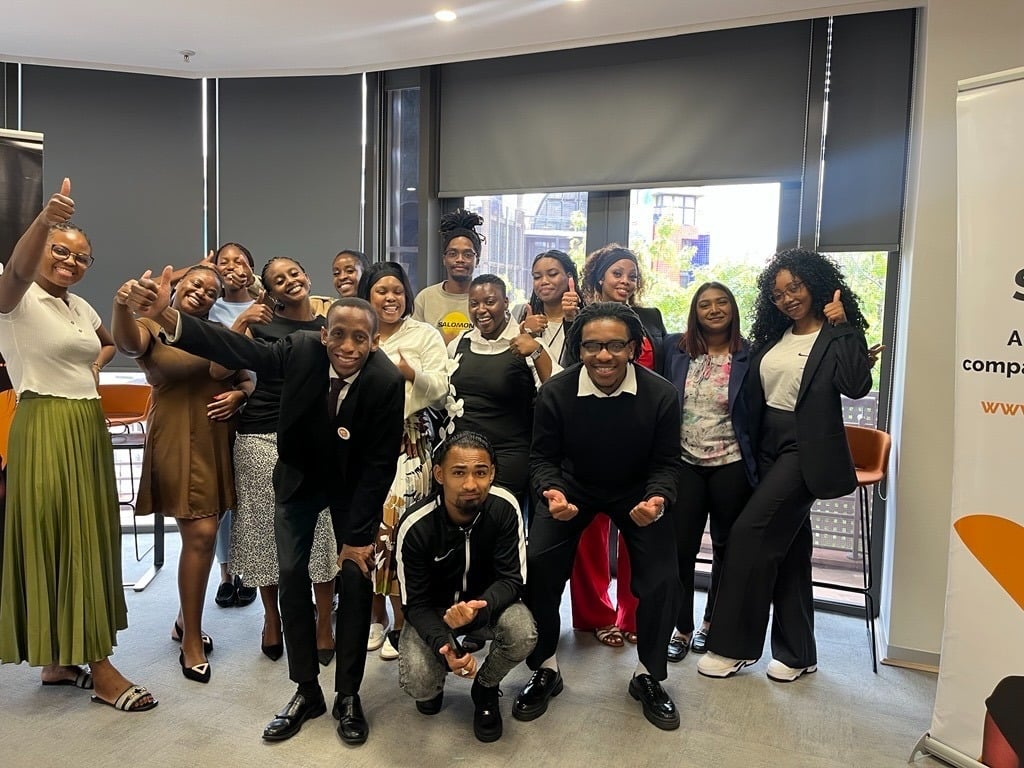
Our Level 1 B-BBEE achievement is built on tangible initiatives that translate intent into measurable action. Below are the strategic imperatives that we have embarked on to achieve this significant milestone: - Youth Employment Service (YES) Programme SAFCOL is actively addressing youth unemployment by placing young graduates in structured work experience opportunities across its operations. We are proud to have created 87 youth employment opportunities over the past 4 years. Several YES alumni have since transitioned into permanent roles or established income-generating activities across various industries.
- Enterprise & Supplier Development (ESD) Through mentorship, capacity-building and market access support, SAFCOL continues to develop and strengthen local SMMEs. Today, these enterprises play critical roles, in silviculture, harvesting, logistics, furniture manufacturing, catering, cleaning and maintenance, thereby supporting livelihoods and stimulating local economic participation. Over the past five years, SAFCOL has proudly supported the development of more than 262 SMMEs, driving entrepreneurship and fostering sustainable economic growth within our communities.
- Skills Development & Training Pipelines By investing in bursaries, learnerships, internships, artisan training and technical forestry training, SAFCOL is developing the next generation of professionals and artisans. These opportunities particularly benefit youth from rural communities, helping them gain critical qualifications and access to sustainable careers. Over the past five years, SAFCOL has invested significantly in skills development, providing:
- 90 bursaries (58 external and 32 internal)
- Facilitating 530 learnerships
- Training 54 apprentices
These initiatives reflect our commitment to empowering individuals, building technical expertise, and creating sustainable career opportunities within the Forestry Sector and beyond.
Participatory Forestry and Community Partnerships
Our community-focused forestry model ensures shared benefits and co-creation of value. Initiatives such as groundnuts and jugo beans farming at JDM Keet and community forestry management at Wilgeboom demonstrate how SAFCOL and local communities can work together to generate income, enhance food security and support enterprise development.
We have supported beekeeping projects at Bergvliet, Wilgeboom, JDM Keet and Ratombo Farm (Levubu), as well as 39 vegetable gardens and small-scale farmers across KwaZulu-Natal, Limpopo and Mpumalanga.
Additionally, we have signed social compacts with 14 cluster communities in our operating areas. These agreements help align community-upliftment projects and promote collaboration, transparency, empowerment and sustainable municipal development.
As South Africa enters the era of Industry the Fourth Industrial Revolution, SAFCOL remains committed to transformation as a deliberate effort to expand opportunities and build capabilities that enable broader participation in our value chain. Our focus goes beyond just growing timber, but we are cultivating partnerships and sustainable futures to support inclusive growth, especially in historically disadvantaged communities.
Written By: Mr Sibalo Dlamini, Acting Group CEO – SAFCOL
Source: Forestry In Focus

 Amendment to the Gazette